русский
 English
 français
 español
 中文
中文

The global fight against plastic pollution is driving unprecedented innovation in sustainable materials. Leading this charge is the rapid evolution of bagasse tableware production, shifting from simple waste utilization to sophisticated closed-loop systems. Sugarcane bagasse, once a problematic byproduct of sugar refining, is now the cornerstone of a circular economy model. Companies like EcoWare Solutions are pioneering methods where water used in processing is purified and recycled, energy is derived from renewable sources powering the factories, and even post-consumer biodegradable cutlery is collected for industrial composting, returning nutrients to the soil that grows the next sugarcane crop. This "waste-to-resource-to-waste-to-resource" cycle minimizes environmental impact at every stage.
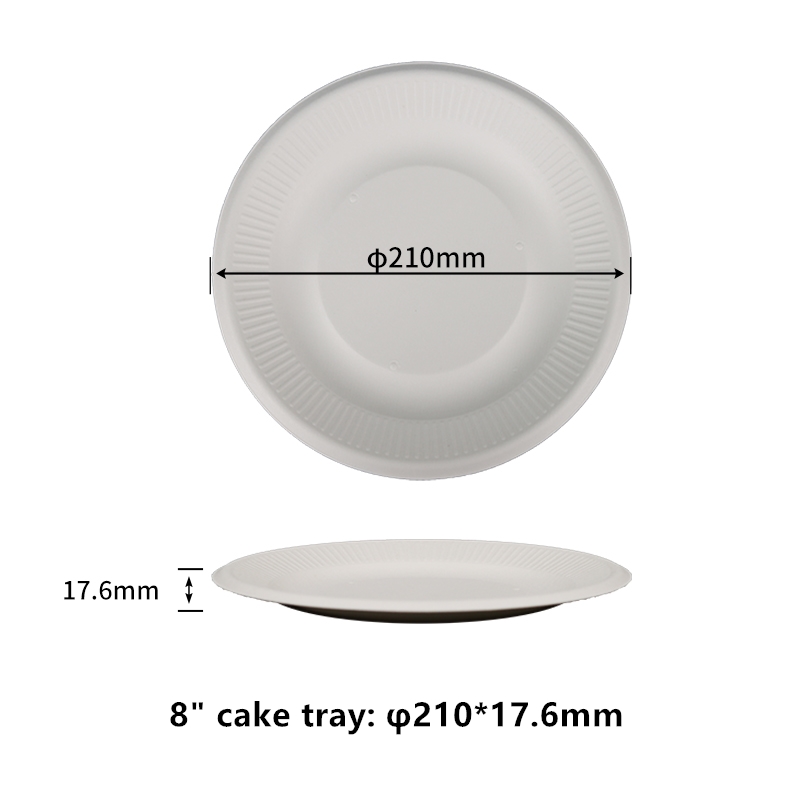
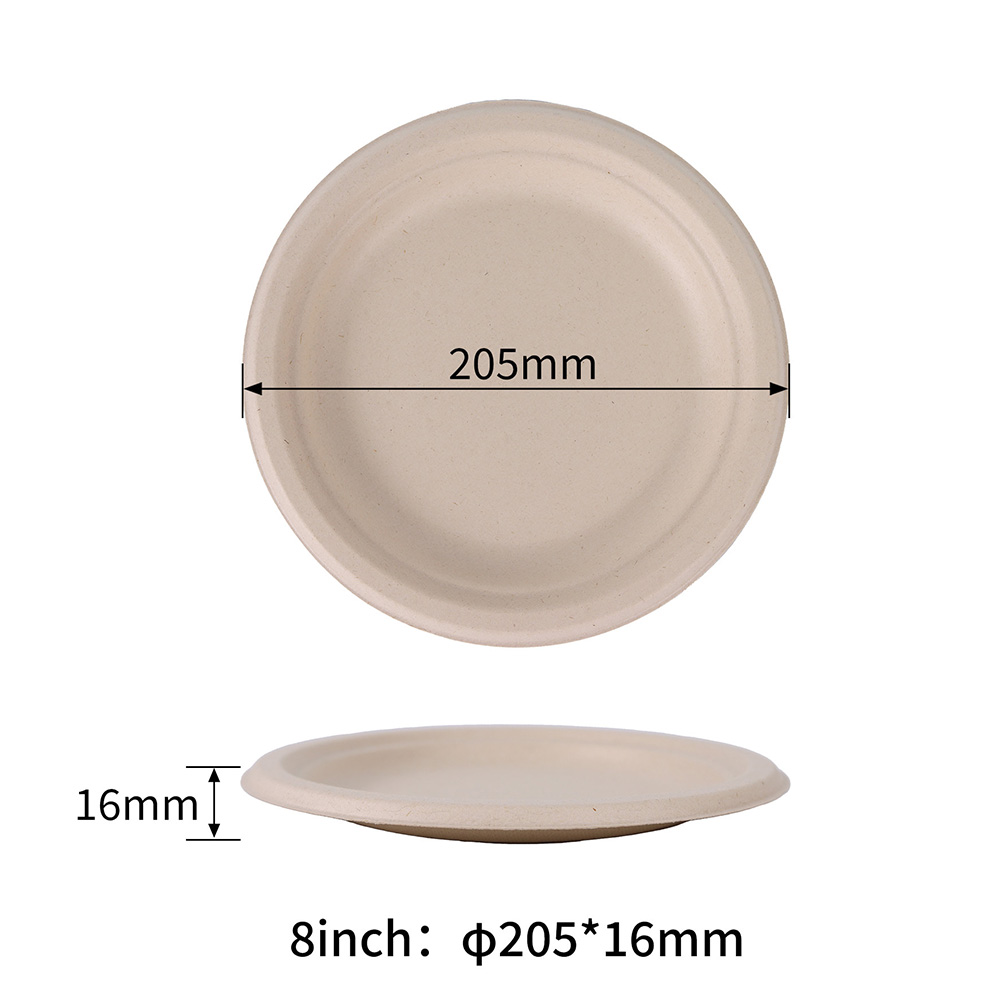
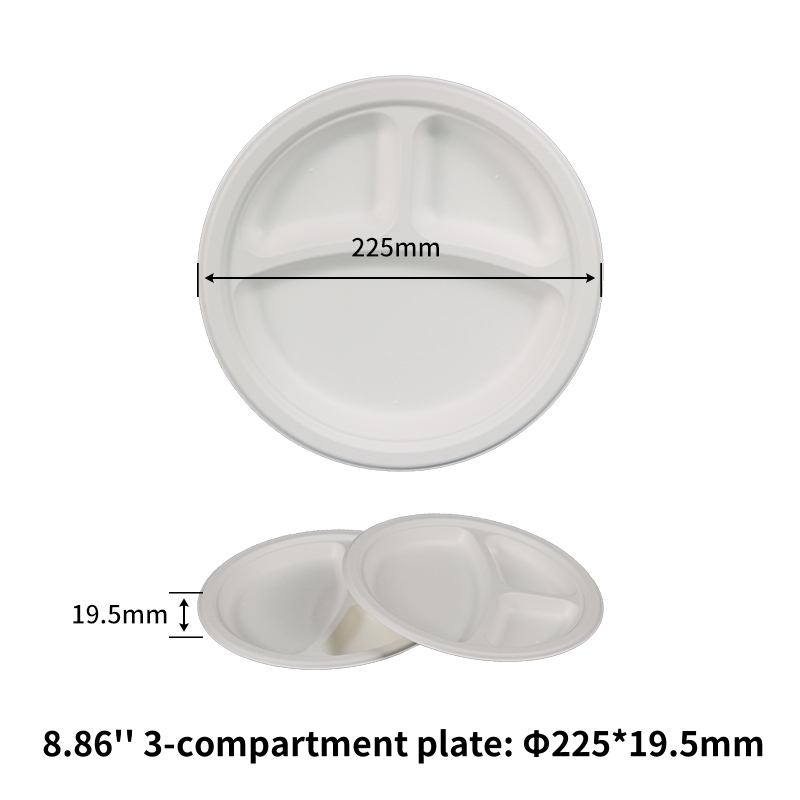
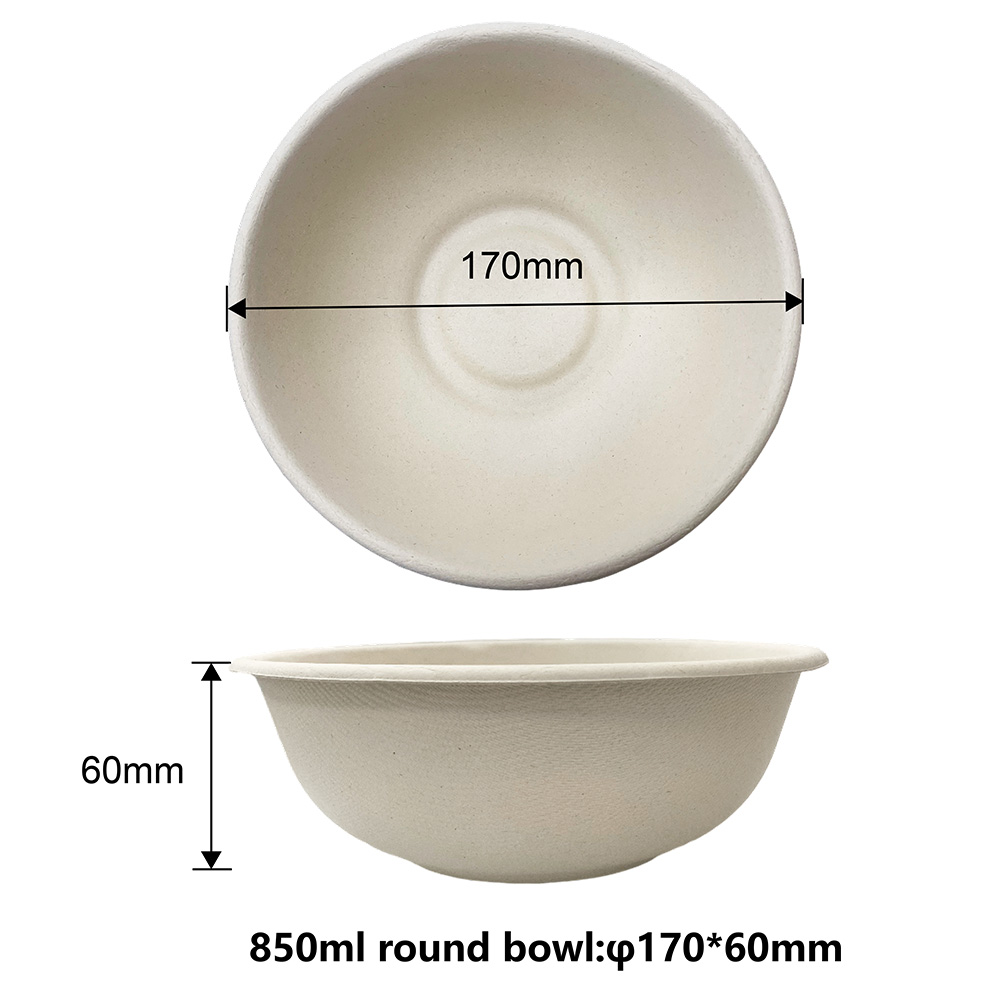
The demand for sustainable Eco-friendly disposable package options is fueling this industrial transformation. Consumers and businesses are increasingly rejecting "greenwashed" alternatives and demanding products with verifiable end-of-life solutions. Closed-loop bagasse tableware production directly addresses this issue, offering plates, bowls, clamshells, and biodegradable cutlery that are not only made from rapidly renewable resources but are designed to seamlessly re-enter the biological cycle. Major food service providers and event organizers are now specifying closed-loop certified Eco-friendly disposable package as a key part of their sustainability commitments, recognizing its tangible reduction in landfill burden and fossil fuel dependence.
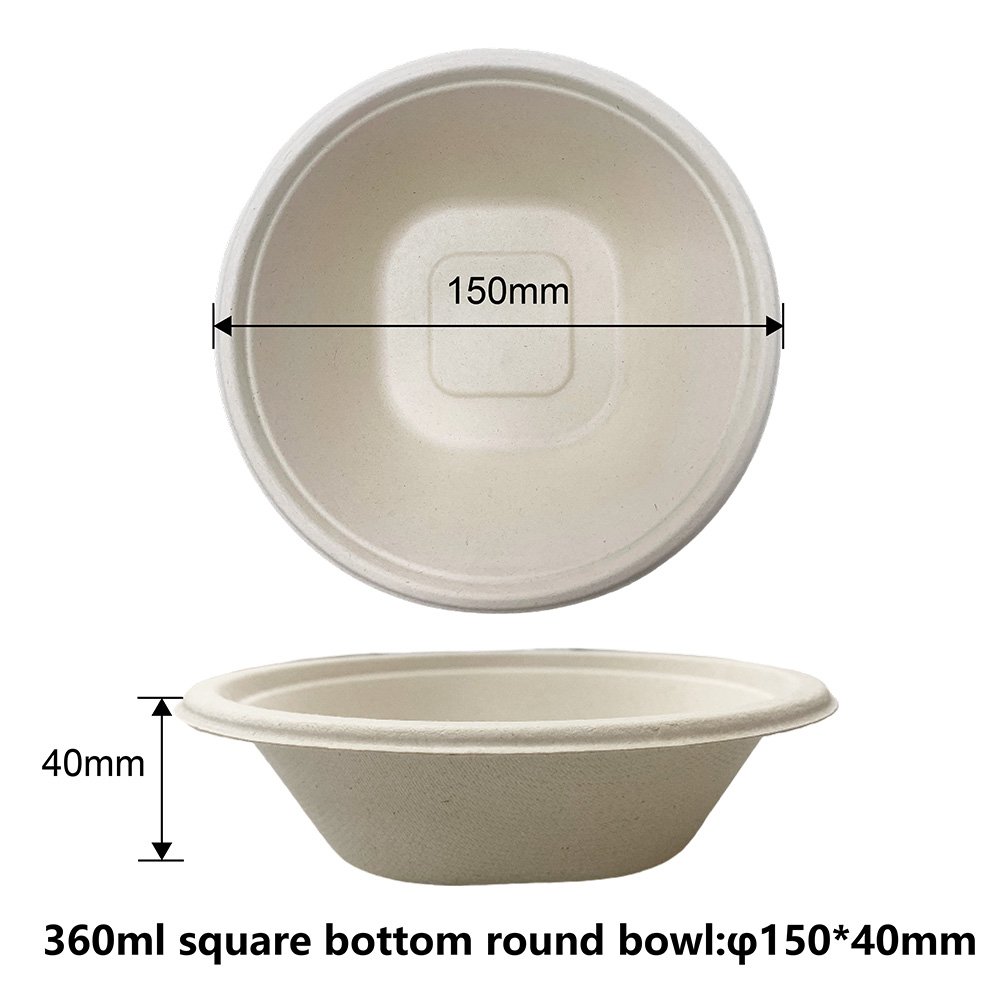
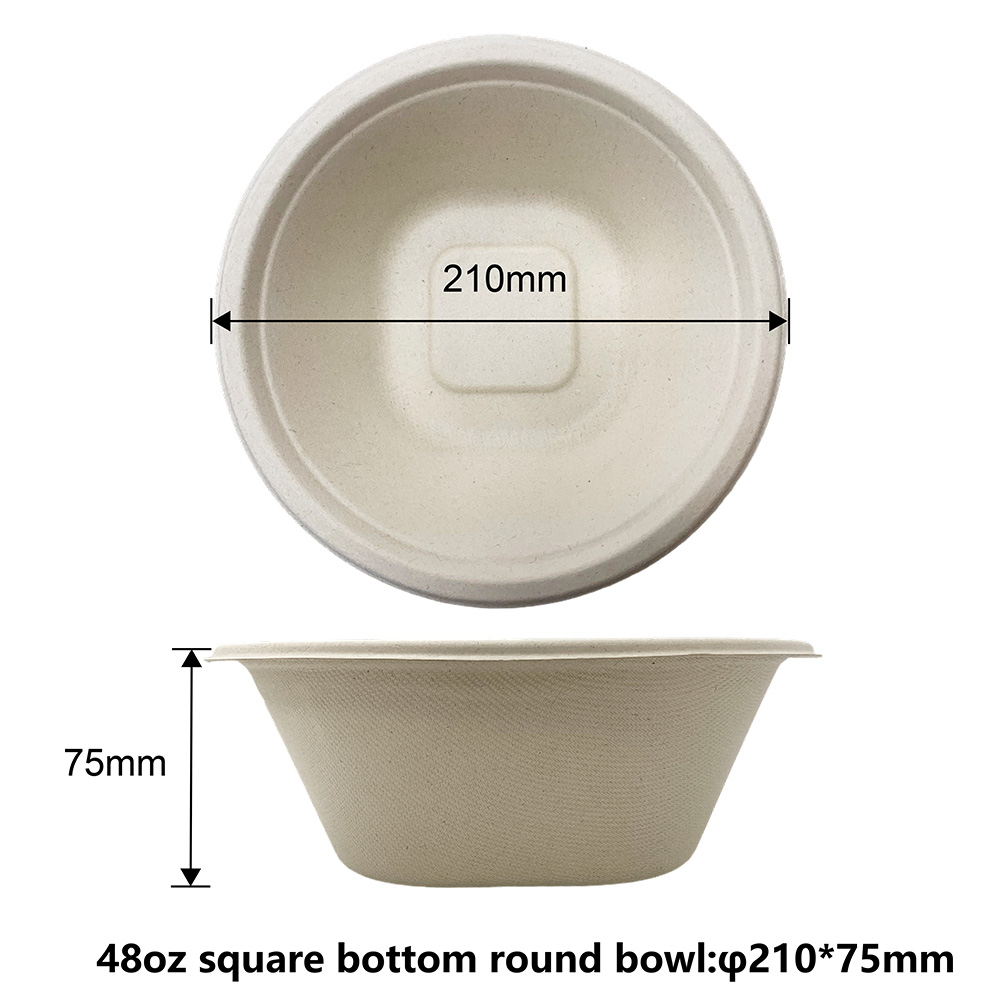
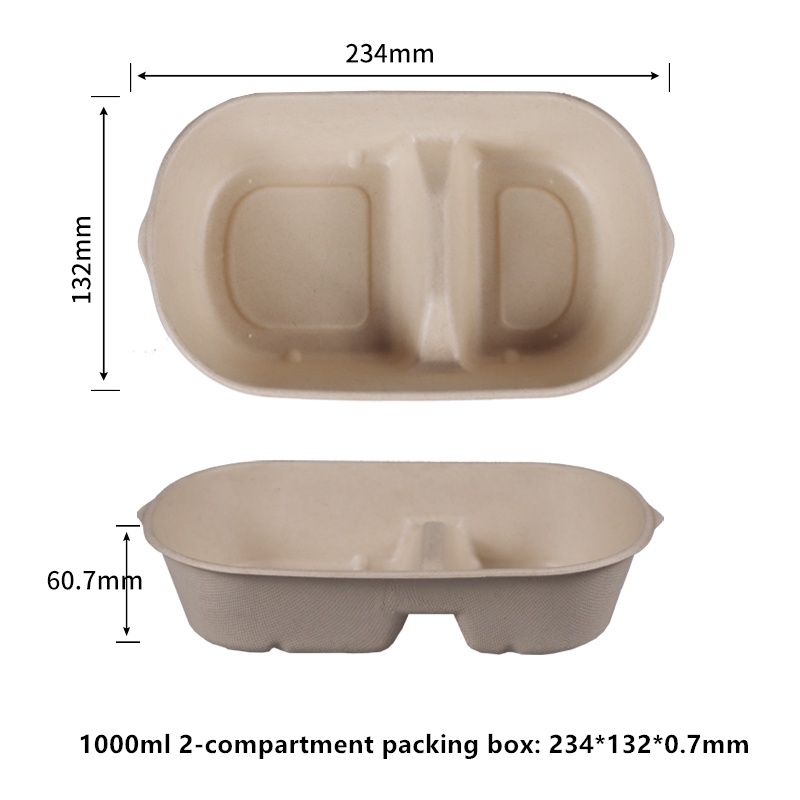
Bagasse tableware stands out as a superior sugarcane fiber packaging solution precisely because of its inherent environmental advantages rooted in the closed-loop model. Unlike plastic, which persists for centuries, sugarcane pulp products decompose into nutrient-rich compost within months under commercial composting conditions. Their production consumes significantly less water and energy compared to traditional plastics or even some bioplastics, especially when utilizing closed-loop systems. Crucially, by transforming agricultural waste into valuable biodegradable cutlery and tableware, and then composting it back to enrich farmland, this model embodies the circular economy – reducing waste, conserving virgin resources, lowering carbon footprints, and offering a genuinely sustainable path forward for disposable food service items.